The Complete Guide to Tramadol: Uses, Risks, Side Effects, and Alternatives
Introduction
Tramadol is a powerful prescription medication that doctors use to treat moderate to severe pain. Whether you’ve injured yourself, are recovering from surgery, or suffer from a condition like arthritis, Tramadol can provide much-needed relief. It works by altering the way your body processes pain and is effective in treating both acute and chronic pain.
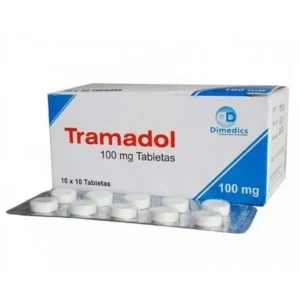
While Tramadol offers effective pain relief, it carries risks such as dependence, misuse, and other side effects. Many people prefer the convenience of buying Tramadol online, but it’s essential to buy from a licensed and trusted pharmacy to avoid counterfeit or unsafe products.
In this guide, we’ll explore everything you need to know about Tramadol: how it works, its common uses, side effects, risks, and alternatives that can help manage pain.
What is Tramadol?
Tramadol is a synthetic opioid pain reliever that works by affecting the central nervous system (CNS). Unlike traditional opioids, Tramadol provides pain relief through a combination of actions. It binds to opioid receptors in the brain to block pain signals while also increasing the levels of serotonin and norepinephrine, two chemicals that help regulate pain and mood.
Doctors often prescribe Tramadol for moderate to severe pain. It’s commonly used for conditions like arthritis, back pain, and fibromyalgia, and works effectively for both acute and chronic pain relief.
How Does Tramadol Work?
When you take Tramadol, it binds to opioid receptors in the brain, which helps block pain signals from reaching your consciousness. At the same time, it increases the amount of serotonin and norepinephrine in the brain by preventing their reuptake. This dual mechanism allows Tramadol to reduce pain while also providing some mood-lifting effects, which can be especially beneficial for people dealing with chronic pain.
Common Uses of Tramadol
Doctors prescribe Tramadol to manage various types of pain, including both acute and chronic pain. Here’s a closer look at its most common uses:
1. Acute Pain Relief
Tramadol works well for acute pain, which can arise suddenly from injury, surgery, or medical procedures. Whether you’ve had a tooth extraction, a back injury, or a sprain, Tramadol can reduce the pain and help you recover more comfortably.
2. Chronic Pain Management
For those suffering from chronic pain, such as arthritis, lower back pain, or fibromyalgia, Tramadol provides long-term relief. It helps people manage ongoing pain while allowing them to go about their daily activities with fewer limitations. Unlike traditional opioids, Tramadol carries a lower risk of severe side effects but still offers effective pain control.
3. Neuropathic Pain
People with neuropathic pain—pain caused by nerve damage—often find Tramadol beneficial. Conditions like diabetic neuropathy or post-herpetic neuralgia (nerve pain after shingles) respond well to Tramadol, as it addresses both the physical and nerve-related aspects of pain. By targeting the nervous system, Tramadol helps reduce the pain caused by damaged nerves.
4. Post-Surgical Pain
After surgery, especially involving soft tissue or bones, Tramadol can be prescribed to manage pain. It offers effective relief while minimizing the risk of addiction that comes with more potent opioids. Tramadol helps patients recover and engage in physical therapy with less discomfort.
How to Take Tramadol
Tramadol comes in different formulations, including immediate-release and extended-release versions. The dosage will depend on the type and severity of the pain.
Dosage Guidelines
For immediate-release Tramadol, the typical starting dose is 50mg to 100mg every 4 to 6 hours as needed for pain relief. The maximum dose is 400mg per day.
For extended-release Tramadol, doctors often start with 100mg once a day, which can increase depending on how the patient responds. The maximum dose for extended-release Tramadol is 300mg per day.
Important Instructions
- Follow your doctor’s instructions: Always take Tramadol exactly as prescribed. Do not exceed the recommended dose.
- Avoid alcohol: Mixing alcohol with Tramadol increases the sedative effects, which can lead to dangerous side effects such as extreme drowsiness, breathing difficulties, or even a coma.
- Take with or without food: Tramadol can be taken with or without food. However, if it upsets your stomach, taking it with food may help.
- Don’t stop suddenly: If you’ve been using Tramadol for a long time, work with your doctor to taper off gradually. Stopping abruptly can cause withdrawal symptoms like nausea, anxiety, or insomnia.
Side Effects of Tramadol
While Tramadol helps relieve pain effectively, it can cause a range of side effects. Most people tolerate Tramadol without issue, but some experience unwanted effects. Here’s what to watch out for:
Common Side Effects
- Drowsiness: Tramadol has sedative effects, and many people feel sleepy or fatigued after taking it.
- Dizziness: You may feel lightheaded or dizzy, especially when standing up quickly.
- Nausea: Some individuals experience stomach upset or nausea, particularly when starting the medication.
- Constipation: Tramadol can cause constipation, a common side effect of many pain medications.
- Headache: Some people experience headaches, especially when first taking Tramadol.
Serious Side Effects
- Seizures: Tramadol increases the risk of seizures, particularly when taken in high doses or combined with other medications that lower the seizure threshold.
- Respiratory Depression: Taking Tramadol in high doses or with other sedatives (like alcohol) can slow your breathing, which may be life-threatening.
- Addiction and Dependence: Even though Tramadol is not as addictive as stronger opioids, it still carries a risk of dependence and misuse, particularly when used for long periods or at higher doses than prescribed.
- Severe Allergic Reactions: Rarely, Tramadol can cause allergic reactions, such as swelling of the throat, lips, or face. If you experience difficulty breathing, seek immediate medical help.
The Risk of Dependence and Misuse
Tramadol can lead to dependence and misuse. The risk increases with higher doses, longer use, or a history of substance abuse. While Tramadol is less potent than some opioids, it can still cause withdrawal symptoms if you stop taking it abruptly.
Signs of Dependence
- Taking higher doses: If you find yourself using more Tramadol than prescribed or taking it more often, you may be developing a dependence.
- Craving the medication: A desire to continue taking Tramadol, even when you no longer need it, may indicate addiction.
- Withdrawal symptoms: Symptoms like anxiety, nausea, sweating, or difficulty sleeping can occur when you stop using Tramadol suddenly.
Alternatives to Tramadol
If Tramadol doesn’t work for you or you’re worried about the risks, consider these alternatives:
1. Non-Opioid Pain Relievers
- NSAIDs: Over-the-counter medications like ibuprofen, naproxen, and celecoxib can help treat mild to moderate pain.
- Acetaminophen: Tylenol provides relief for mild pain but won’t be effective for nerve pain or more severe discomfort.
2. Other Opioid Medications
- Oxycodone: A stronger opioid, Oxycodone is often prescribed for severe pain but carries a higher risk of addiction and side effects.
- Hydrocodone: Used for severe pain, Hydrocodone can be effective but comes with a higher potential for misuse.
3. Non-Pharmacological Treatments
- Physical Therapy: Physical therapy can help manage chronic pain, improve mobility, and strengthen muscles without relying on medications.
- Cognitive Behavioral Therapy (CBT): CBT is a form of therapy that helps manage chronic pain and anxiety by changing negative thought patterns and teaching healthier coping strategies.
Buy Tramadol Online: What to Consider
If you decide to buy Tramadol online, it’s essential to do so safely. The convenience of online shopping can be tempting, but counterfeit medications are a significant concern.
How to Buy Tramadol Online Safely
- Require a prescription: Only purchase Tramadol from an online pharmacy that requires a valid prescription from your doctor.
- Check for accreditation: Ensure the pharmacy is licensed by trusted organizations such as the National Association of Boards of Pharmacy (NABP).
- Watch for unusually low prices: If the price seems too good to be true, it likely indicates counterfeit products. Stick to trusted pharmacies with transparent pricing.
Conclusion
Tramadol offers effective pain relief for people suffering from conditions like arthritis, back pain, and fibromyalgia. However, it carries risks such as dependence, misuse, and side effects. If you’re considering buying Tramadol online, make sure to choose a reliable and licensed pharmacy to ensure you receive a legitimate product.
Always follow your doctor’s instructions when using Tramadol to safely manage your pain and minimize risks.