
Title: A Comprehensive Guide to Lorazepam: Uses, Risks, and More
Introduction
Lorazepam offers an effective solution for treating anxiety, panic disorders, and sleep disturbances. This benzodiazepine works by calming the brain and nervous system, making it a popular choice for short-term anxiety relief. However, while it can be helpful, Lorazepam carries risks of dependence and misuse. This guide covers everything you need to know about Lorazepam, including its uses, potential side effects, and alternatives.
If you’re considering Lorazepam or looking to buy Lorazepam online, always make sure you’re purchasing from a legitimate, licensed pharmacy. Counterfeit medications pose serious health risks, and buying from untrusted sources can lead to dangerous consequences.
What is Lorazepam?
Lorazepam belongs to a class of medications known as benzodiazepines. These medications work by affecting the central nervous system and producing calming effects. Typically prescribed for anxiety and panic disorders, Lorazepam helps relieve symptoms like excessive worry, fear, and physical tension.
How Lorazepam Works
Lorazepam increases the activity of gamma-aminobutyric acid (GABA), a neurotransmitter that slows brain activity. This leads to a sedative effect, which reduces anxiety, calms the muscles, and helps induce sleep. Lorazepam effectively reduces the excessive electrical activity in the brain that causes anxiety and panic attacks.
Differences Between Lorazepam and Other Benzodiazepines
Lorazepam works faster than some other benzodiazepines, making it ideal for short-term relief. While drugs like Valium and Klonopin are better suited for long-term use, Lorazepam’s short half-life means it works quickly but doesn’t stay in your system as long.
Common Uses of Lorazepam
Doctors prescribe Lorazepam for a variety of conditions. Here are some of the most common uses:
- Anxiety Disorders: Lorazepam helps reduce symptoms of anxiety, such as persistent worry, physical tension, and restlessness. It works quickly to calm the mind and body, providing relief from the constant stress that anxiety brings.
- Panic Attacks: Individuals who suffer from panic attacks often find Lorazepam helpful in reducing the intensity and frequency of attacks. It helps prevent the escalation of panic episodes and promotes calmness.
- Insomnia: Many people use Lorazepam to treat short-term insomnia, particularly when anxiety or stress interferes with sleep. It helps individuals fall asleep faster and stay asleep through the night.
- Seizures: Lorazepam can be used in emergency situations to treat seizures. It works by stabilizing brain activity, making it effective for controlling seizures when other treatments are unavailable.
- Pre-surgical Sedation: Medical professionals often administer Lorazepam before surgical procedures to reduce anxiety and relax patients, making them more comfortable.
How to Take Lorazepam
Lorazepam usually comes in tablet form, although doctors may also administer it as an injectable solution during medical procedures. Always follow your doctor’s instructions when taking Lorazepam to ensure the best results and reduce the risk of side effects.
Typical Dosage
For anxiety, the typical starting dose is 2 to 3 mg per day, taken in divided doses. If you have panic attacks, your doctor may increase the dosage. However, the total dose should not exceed 10 mg per day.
Safety Considerations
- Avoid Alcohol: Combining Lorazepam with alcohol can amplify its sedative effects, leading to dangerous consequences, including severe drowsiness and difficulty breathing.
- Take Only as Prescribed: Never increase the dose without consulting your doctor. Overusing Lorazepam can lead to dependency and withdrawal symptoms.
- Gradually Taper Off: If you plan to stop using Lorazepam, your doctor will guide you through the process of tapering off gradually. Sudden discontinuation can cause withdrawal symptoms, such as anxiety, agitation, and seizures.
Side Effects of Lorazepam
While Lorazepam can effectively treat anxiety and other conditions, it may cause side effects. Understanding these side effects is important before starting the medication.
Common Side Effects
- Drowsiness or fatigue
- Dizziness or lightheadedness
- Memory issues or difficulty focusing
- Muscle weakness
- Blurred vision
Serious Side Effects
- Respiratory Depression: Lorazepam can slow your breathing, especially when mixed with alcohol or other sedatives. This can become life-threatening if not addressed immediately.
- Dependence: Taking Lorazepam for long periods increases the risk of physical and psychological dependence. Your body may become reliant on the drug, leading to the need for higher doses to achieve the same effect.
- Withdrawal Symptoms: If you suddenly stop taking Lorazepam, you may experience withdrawal symptoms like anxiety, insomnia, and seizures. Always work with your doctor to reduce your dosage gradually.
Dependence and Withdrawal
Lorazepam, like other benzodiazepines, carries a risk of dependence when used for extended periods. When your body becomes accustomed to the drug, you may experience withdrawal symptoms if you stop taking it suddenly.
Signs of Dependence
- Taking higher doses than prescribed
- Craving Lorazepam or feeling unable to stop using it
- Experiencing withdrawal symptoms when trying to reduce or stop the dosage
Managing Withdrawal
If you’ve been using Lorazepam regularly, consult your doctor before stopping the medication. Your doctor will help you gradually reduce the dosage, minimizing withdrawal symptoms like anxiety, agitation, and seizures.
Alternatives to Lorazepam
If you’re concerned about the potential for dependence or prefer non-drug treatments, you have several alternatives to consider:
- SSRIs (Selective Serotonin Reuptake Inhibitors): Medications like Prozac, Zoloft, and Lexapro treat anxiety without the sedative effects of Lorazepam and do not carry the same risk of dependence.
- Buspirone: Unlike Lorazepam, Buspirone doesn’t cause drowsiness and doesn’t carry a risk of addiction. It’s used to treat generalized anxiety disorder (GAD).
- Cognitive Behavioral Therapy (CBT): CBT helps individuals learn how to manage their anxiety by changing negative thought patterns. It is a long-term solution that doesn’t rely on medications.
- Lifestyle Modifications: Regular physical activity, a balanced diet, and relaxation techniques like yoga and meditation can also reduce anxiety and improve mental health.
Lorazepam and Other Benzodiazepines: A Comparison
When comparing Lorazepam to other benzodiazepines, several factors differentiate them:
- Klonopin (Clonazepam): Klonopin has a longer half-life than Lorazepam, meaning it stays in the body longer and requires less frequent dosing. Lorazepam, however, works faster and is often preferred for short-term use.
- Xanax (Alprazolam): Xanax is a faster-acting benzodiazepine compared to Lorazepam. However, it has a shorter duration of action, which means you might need to take it more often.
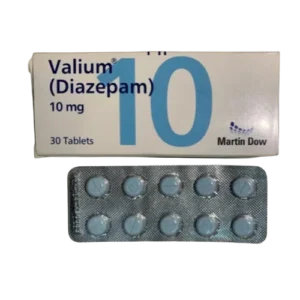
- Valium (Diazepam): Valium has a much longer half-life than Lorazepam, making it effective for long-term anxiety treatment. Lorazepam is better suited for short-term management, especially when quick relief is necessary.
Buy Lorazepam Online: What You Need to Know
As more people turn to the convenience of online shopping, buying medications online has become a common option. Buying Lorazepam online may seem like a quick solution, but you must be careful to avoid unlicensed and unregulated online pharmacies.
How to Safely Buy Lorazepam Online
- Prescription Requirement: Legitimate online pharmacies always require a prescription. If a pharmacy offers Lorazepam without asking for a prescription, it’s likely an unsafe source.
- Look for Accreditation: Always check whether the pharmacy is accredited by national and international organizations like the National Association of Boards of Pharmacy (NABP).
- Avoid Unrealistic Prices: If an online pharmacy offers Lorazepam at an unusually low price, this may indicate counterfeit products. Always buy from reputable sources that provide fair pricing.
Conclusion
Lorazepam can provide quick and effective relief for anxiety, panic disorders, and sleep disturbances. However, it comes with risks, including dependence, withdrawal, and potential misuse. If you’re considering buying Lorazepam online, make sure you’re using a reputable, licensed pharmacy to protect your health.
If you have concerns about the long-term use of Lorazepam, talk to your doctor about other treatment options such as SSRIs, therapy, or lifestyle changes. With careful management, Lorazepam can provide significant relief, but it’s crucial to understand its potential risks.